
Graffiti in Berlin – Why is the whole city sprayed?

Berlin isn’t just a city – it’s a sprawling outdoor gallery where every surface tells a story. From the remnants of the Berlin Wall to hidden subway tunnels, the German capital has evolved into one of the world’s most dynamic canvases for graffiti and street art culture.
What makes Berlin’s graffiti scene so extraordinary? It’s the perfect storm of history, rebellion, and artistic expression. Since the 1980s, this city has been a playground for writers and artists who see blank walls not as barriers, but as opportunities. The fall of the Berlin Wall didn’t just reunite a divided city – it unleashed decades of pent-up creative energy onto every available surface.
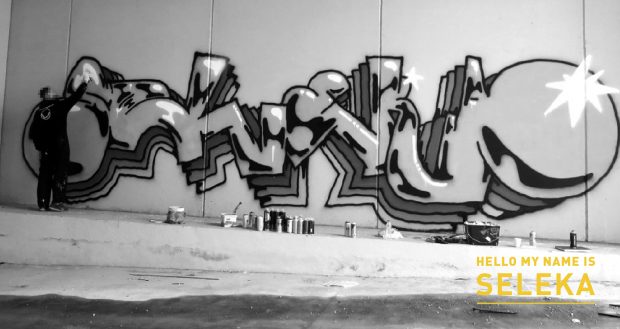
Walking through Berlin today feels like navigating a living museum where the exhibits change nightly. Behind the colorful tags and elaborate pieces lies a subculture of dedicated artists who risk everything for their craft. These aren’t just random acts of vandalism – they’re statements of identity, territory, and artistic vision that transform urban decay into vibrant expression.
The dedication is intense. Writers navigate dangerous terrain, from abandoned buildings to active train yards, all in pursuit of the perfect spot for their next piece. It’s a high-stakes game of cat and mouse with authorities, where the reward isn’t money or fame, but respect within a tight-knit community that values skill, style, and fearless execution.
Berlin’s graffiti culture represents something deeper than spray paint on concrete – it’s about claiming space, building identity, and keeping alive the rebellious spirit that has always defined this city. Every tag, throw-up, and piece adds another layer to Berlin’s ever-evolving urban narrative.


Responses